Buy blogsmap.eu ?
We are moving the project
blogsmap.eu .
Are you interested in purchasing the domain
blogsmap.eu ?
domain@kv-gmbh.de · 0541-91531010
Buy blogsmap.eu ?
What is the economic principle: the principle of minimum or the principle of maximum?
The principle of minimum and the principle of maximum are economic principles that relate to decision-making. The principle of minimum states that individuals or firms will seek to minimize their costs or inputs in order to achieve a certain level of output or outcome. On the other hand, the principle of maximum states that individuals or firms will seek to maximize their benefits or outputs given a certain level of inputs or costs. Both principles are important in guiding economic decision-making and resource allocation. **
What is the principle of the key-lock principle?
The key-lock principle is based on the idea that certain molecules or structures (keys) can fit into specific receptors or binding sites (locks) with high specificity and affinity. This principle is commonly used to describe the interaction between enzymes and their substrates, where the enzyme (lock) has a specific active site that perfectly fits the substrate (key), allowing for efficient catalysis. The key-lock principle highlights the importance of complementary shapes and chemical properties between molecules for effective interactions to occur. **

Similar search terms for Principle
Top-Angebote
Products related to Principle:
-
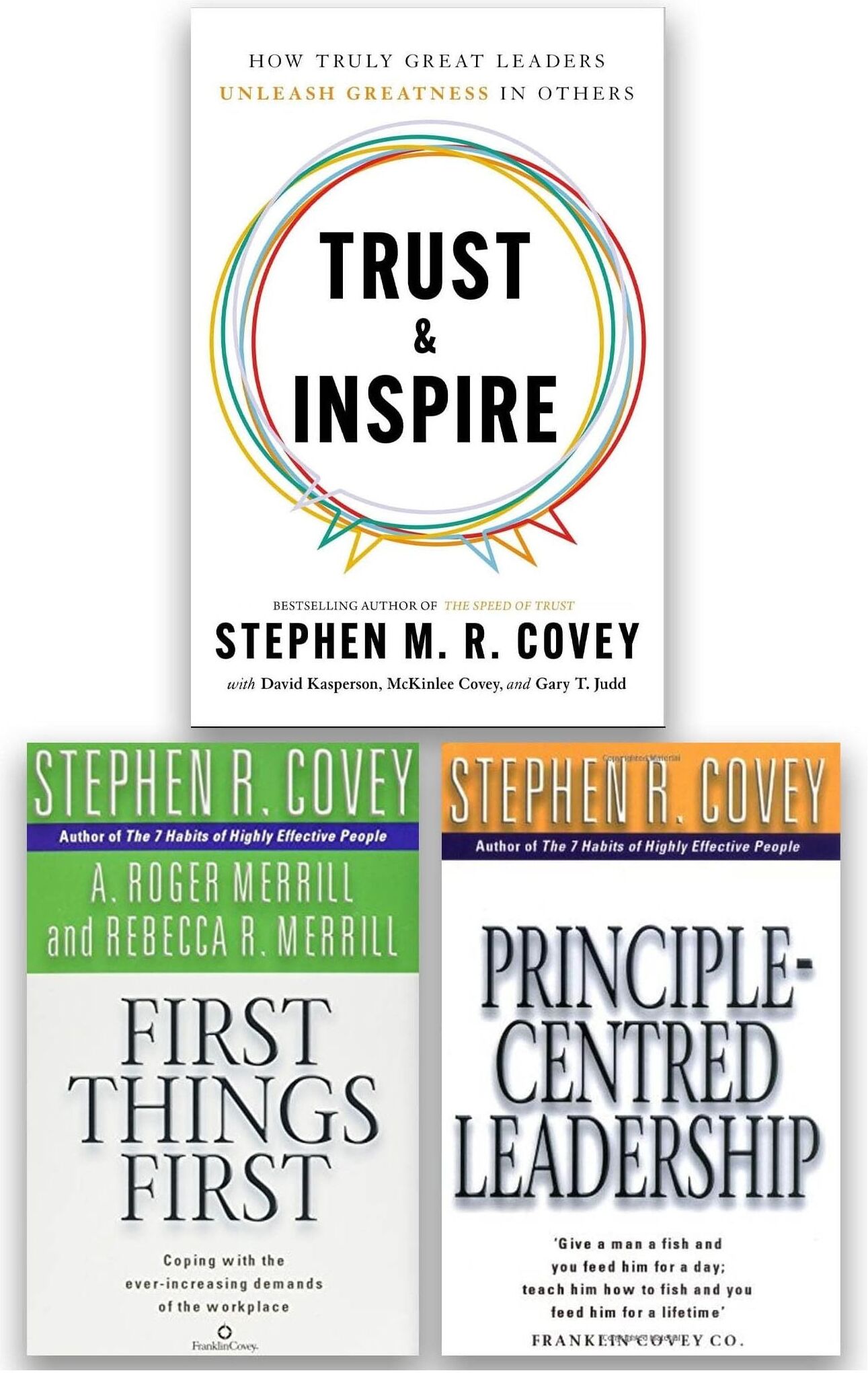
Simon & Schuster Stephen M. R. Covey 3 Books Collection Set (Trust and Inspire, First Things First and Principle Centered Leadership)Trust & Inspire Traditionally, businesses have relied on a“command and control” management style, focusing on rigid hierarchies andcompliance from employees. Covey argues we must shift from a “command andcontrol” to a “trust and inspire” leadership model. Trusting and inspiring yourteam is defined by commitment from both sides, with a focus on effectivenessand fostering a growth mindset. It is based on the belief that employees arecreative, collaborative, and full of potential; through trust, you can inspirethem to do their best work. First Things First I'm getting more done in less time, but where arethe rich relationships, the inner peace, the balance, the confidence that I'mdoing what matters most and doing it well? Does this nagging question haunt you, even whenyou feel you are being your most efficient? If so, First Things First can helpyou understand why we so often prioritize things that are unimportant to bothour larger goals and our inner happiness. Principle Centered Leadership PRINCIPLE CENTRED LEADERSHIP will help solve thesedilemmas - and many others:* how do we achieve a wise and renewing balancebetween work and family in the midst of constant pressures and crises?* how dowe unleash the creativity, talent and energy of the vast majority of the workforce, whose jobs neither require nor reward such resources?* how can we have aculture characterised by change, flexibility and continuous improvement andstill maintain a sense of stability and security?* how do we create team spiritand harmony among people and departments that have been criticising and attackingeach other for years?* how do we get people and culture aligned with strategy,so that everyone in an organisation is as committed to the strategy as thosewho formulated it?19,99 £*Shipping: 2,99 £Secure redirect to the provider
-
Nicholas Brealey Publishing The 80/20 Principle, Atomic Habits, How to Talk to Anyone Collection 3 Books Set by Richard Koch, James Clear, Leil LowndesThe 80/20 Principle The unspoken corollary to the 80/20 principle is that little of what you spend your time on actually counts. But by concentrating on those things that do, you can unlock the enormous potential of the magic 20 percent. Discover how to identify the few methods that will lead to great results, and use them alone. Avoid hard work. Don't push water uphill. Be very selective in what you do. Have a great life. Atomic Habits People think that when you want to change your life, you need to think big. But world-renowned habits expert James Clear has discovered another way. He knows that real change comes from the compound effect of hundreds of small decisions: doing two push-ups a day, waking up five minutes early, or holding a single short phone call. He calls them atomic habits. In this ground-breaking book, Clears reveals exactly how these minuscule changes can grow into such life-altering outcomes. How to Talk to Anyone Never be at a loss for words again! Perfect your people skills with his fun, witty and informative guide, containing 92 little tricks to create big success in personal and business relationships. In How To Talk To Anyone, bestselling relationships author and internationally renowned life coach Leil Lowndes reveals the secrets and psychology behind successful communication16,50 £*Shipping: 2,99 £Secure redirect to the provider
-
Transworld Publishers Ltd Books about parenting, The Unmumsy Mum A-Z - An Inexpert Guide to Parenting by Sarah Turner (Parenting Guide Book)From bestselling author and massively popular blogger The Unmumsy Mum comes this hilarious, irreverent and searingly candid compendium of parenting experiences. With entries including D is for Desperation, F is for Fish Fingers, S is for Supermum and V is for Vagina, it is safe to say this is not your average A-Z. This book wont tell you what sort of parent you should or should not be; instead, it offers a refreshingly honest account of what being a mum to three young children is really like and the surprising lessons that have been learned along the way. If you feel as though you are not measuring up or are struggling to cherish every moment, Sarah tales from the thick of it will reassure and resonate with you. Above all, her commitment to telling the truth, the whole truth and nothing but the truth will make you laugh out loud and remind you that you are, in fact, doing a great job. What readers are saying: For all parents out there, this is a must read. Absolutely hilarious and so true to life. 100 recommend. Makes me smile and actually keeps me sane as it is so easy to relate to. It made me laugh Sleeping through, it made me cry Xmas and it made me feel better about the times I think I am getting it wrong.1,99 £*Shipping: 1,99 £Secure redirect to the provider
-
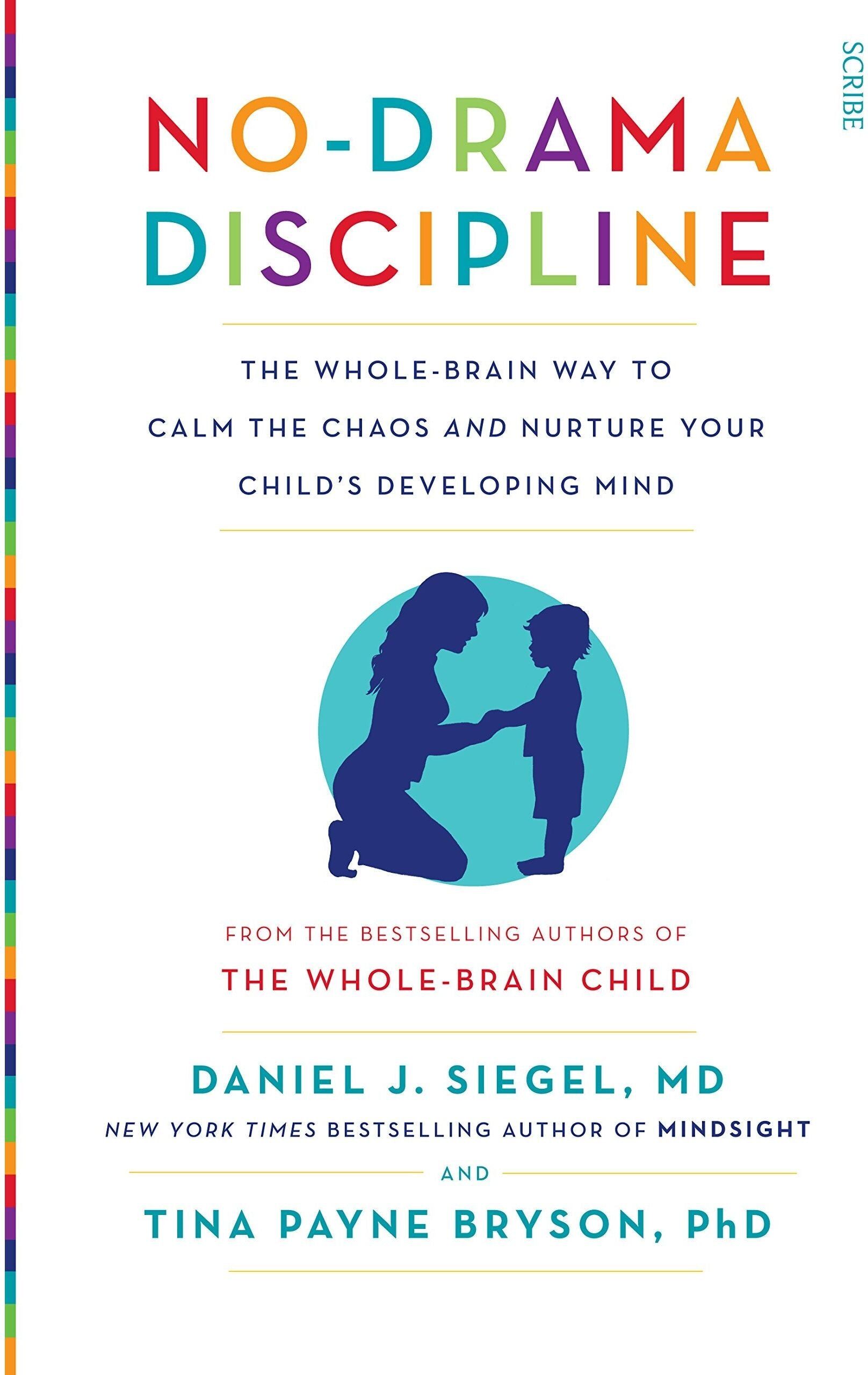
Scribe UK No-Drama Discipline: the bestselling parenting guide to nurturing your child's developing mind (Mindful Parenting)The pioneering experts behind the bestselling The Whole-Brain Child now explore the ultimate child-raising challenge: discipline. A breakfast bowl gets thrown across the kitchen, splattering milk and cereal all over the wall. Or one of your kids threatens a younger sibling. Or you get a call from the headteacher’s office for the third time this month. What do you do? No-Drama Discipline provides an effective, compassionate road map for dealing with such tantrums, tensions, and tears – without causing a scene. Based on recent discoveries about the brain that give us deep insights into the children we care for, what they need, and how to discipline them in ways that foster optimal development, this book offers a ‘relational’ approach that builds on children’s innate desire to please their parents and get along well with others. Complete with candid stories and playful illustrations that bring the authors’ suggestions to life, No-Drama Discipline presents clear messages in a practical and inviting format. Using these techniques, you can discipline your children in a way that’s high on relationship-building, high on respect, and low on drama and conflict. As a result, your life as a parent will be easier, and your parenting will become more effective. And more importantly, you’ll create connections in your children’s brains to build emotional and social skills that will serve them now and throughout their entire life – all while strengthening your relationship with them.5,99 £*Shipping: 2,99 £Secure redirect to the provider


-
What is the ping-pong principle or the hourglass principle?
The ping-pong principle, also known as the hourglass principle, is a communication strategy where information is exchanged back and forth between two parties in a structured and concise manner. It involves each party taking turns to speak or provide input, similar to a game of ping-pong. This principle ensures that communication is balanced, effective, and allows for active listening and engagement from both parties. It helps to maintain a focused and productive conversation by preventing one party from dominating the discussion. **
-
What is the rocket principle and the principle of recoil?
The rocket principle states that for every action, there is an equal and opposite reaction. This means that when a rocket expels gas out of its engines, the force of the gas pushing out is matched by an equal force pushing the rocket in the opposite direction. The principle of recoil is similar, stating that when a gun is fired, the force of the bullet being expelled from the barrel is matched by an equal force pushing the gun in the opposite direction. Both principles are based on Newton's third law of motion, which describes the relationship between the forces acting on two interacting objects. **
-
Does the principle of solidarity correspond to the principle of equivalence?
The principle of solidarity and the principle of equivalence are related but not the same. The principle of solidarity emphasizes mutual support and collective responsibility within a community, while the principle of equivalence focuses on equal treatment and fairness. Solidarity often involves individuals or groups providing assistance or resources to those in need, even if they have not contributed equally, whereas equivalence typically requires treating individuals or groups in the same way based on certain criteria. Both principles aim to promote fairness and justice, but they operate in slightly different ways. **
-
What are the principle of operation and the principle of object?
The principle of operation refers to the fundamental method or process by which something functions or operates. It outlines the underlying rules or guidelines that govern how a system or device works. On the other hand, the principle of object pertains to the main focus or purpose of a particular entity or concept. It defines the central idea or goal that the object is designed to achieve or represent. Both principles are essential in understanding the functionality and significance of a system or object. **


What is the principle of maximization or the principle of minimization?
The principle of maximization or minimization is a decision-making principle that involves choosing the best option from a set of alternatives in order to maximize benefits or minimize costs. In economics, this principle is often applied to the behavior of individuals, firms, or governments when making choices about resource allocation, production, consumption, or investment. The principle of maximization suggests that decision-makers seek to maximize their utility, profits, or other desirable outcomes, while the principle of minimization suggests that decision-makers seek to minimize their costs, risks, or other undesirable outcomes. These principles are fundamental to understanding how economic agents make rational choices in pursuit of their goals. **
Is the principle of officiality and the principle of legality still valid?
Yes, the principles of officiality and legality are still valid in many legal systems around the world. The principle of officiality emphasizes the importance of official documents and procedures in legal matters, while the principle of legality ensures that all actions taken by authorities are based on existing laws and regulations. These principles help maintain order, fairness, and accountability in legal processes. While there may be variations in how these principles are applied in different jurisdictions, they continue to play a crucial role in upholding the rule of law. **
Top-Angebote
Products related to Principle:
-
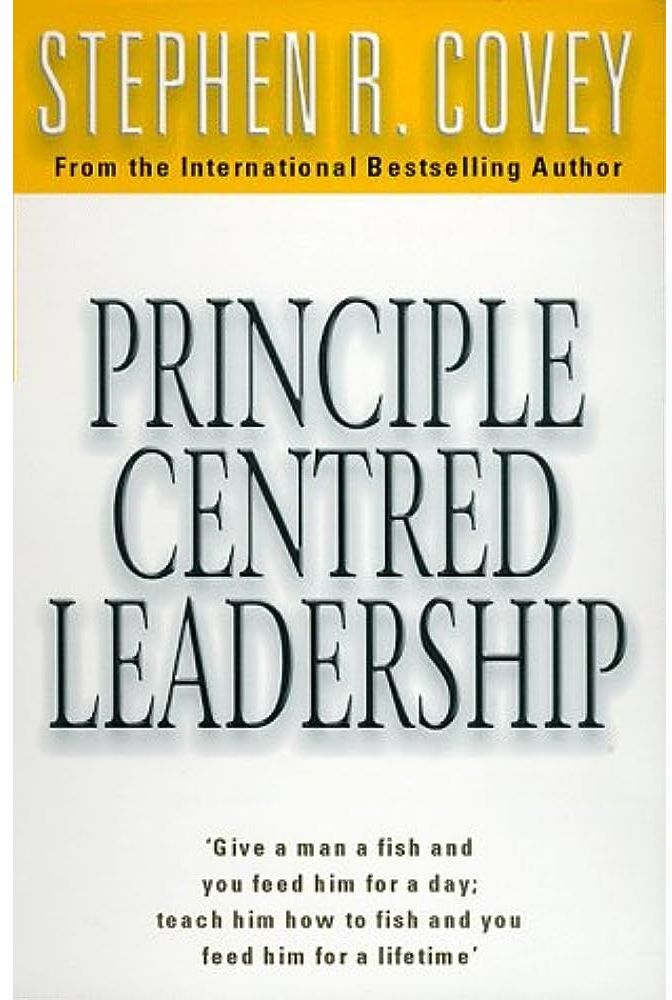
Simon & Schuster Principle Centred Leadership by Stephen R CoveyPRINCIPLE CENTRED LEADERSHIP will help solve these dilemmas - and many others:* how do we achieve a wise and renewing balance between work and family in the midst of constant pressures and crises?* how do we unleash the creativity, talent and energy of the vast majority of the work force, whose jobs neither require nor reward such resources?* how can we have a culture characterised by change, flexibility and continuous improvement and still maintain a sense of stability and security?* how do we create team spirit and harmony among people and departments that have been criticising and attacking each other for years?* how do we get people and culture aligned with strategy, so that everyone in an organisation is as committed to the strategy as those who formulated it?6,99 £*Shipping: 2,99 £Secure redirect to the provider
-
John Murray The 80/20 Principle : The Secret of Achieving More with Less: by Richard KochREAD THIS BOOK AND USE IT - TIM FERRISS Twenty years after its first publication, The 80/20 Principle is a global bestseller read by millions of highly effective people around the world. Now, it is more powerful and essential than ever. In the past, the principle gave those who used it a serious advantage.In the future, it will be the essential tool for anyone who wants to succeed. And it is powerful. Based on the counter-intuitive but widespread fact that 80% of results flow from 20% of causes, The 80/20 Principle shows how you can achieve much more with much less effort, time and resources, simply by concentrating on the all-important 20%.This major new edition includes four brand new chapters showing how to: Use the rise of networks to your advantage Benefit from more acute 90/10 and 99/1 forms of the principle Tap into your subconscious to exert a super-potent and amazingly favourable influence on your life Enjoy greater success with 5 mega rules to live by5,95 £*Shipping: 2,99 £Secure redirect to the provider
-
Simon & Schuster Stephen M. R. Covey 3 Books Collection Set (Trust and Inspire, First Things First and Principle Centered Leadership)Trust & Inspire Traditionally, businesses have relied on a“command and control” management style, focusing on rigid hierarchies andcompliance from employees. Covey argues we must shift from a “command andcontrol” to a “trust and inspire” leadership model. Trusting and inspiring yourteam is defined by commitment from both sides, with a focus on effectivenessand fostering a growth mindset. It is based on the belief that employees arecreative, collaborative, and full of potential; through trust, you can inspirethem to do their best work. First Things First I'm getting more done in less time, but where arethe rich relationships, the inner peace, the balance, the confidence that I'mdoing what matters most and doing it well? Does this nagging question haunt you, even whenyou feel you are being your most efficient? If so, First Things First can helpyou understand why we so often prioritize things that are unimportant to bothour larger goals and our inner happiness. Principle Centered Leadership PRINCIPLE CENTRED LEADERSHIP will help solve thesedilemmas - and many others:* how do we achieve a wise and renewing balancebetween work and family in the midst of constant pressures and crises?* how dowe unleash the creativity, talent and energy of the vast majority of the workforce, whose jobs neither require nor reward such resources?* how can we have aculture characterised by change, flexibility and continuous improvement andstill maintain a sense of stability and security?* how do we create team spiritand harmony among people and departments that have been criticising and attackingeach other for years?* how do we get people and culture aligned with strategy,so that everyone in an organisation is as committed to the strategy as thosewho formulated it?19,99 £*Shipping: 2,99 £Secure redirect to the provider
-
Nicholas Brealey Publishing The 80/20 Principle, Atomic Habits, How to Talk to Anyone Collection 3 Books Set by Richard Koch, James Clear, Leil LowndesThe 80/20 Principle The unspoken corollary to the 80/20 principle is that little of what you spend your time on actually counts. But by concentrating on those things that do, you can unlock the enormous potential of the magic 20 percent. Discover how to identify the few methods that will lead to great results, and use them alone. Avoid hard work. Don't push water uphill. Be very selective in what you do. Have a great life. Atomic Habits People think that when you want to change your life, you need to think big. But world-renowned habits expert James Clear has discovered another way. He knows that real change comes from the compound effect of hundreds of small decisions: doing two push-ups a day, waking up five minutes early, or holding a single short phone call. He calls them atomic habits. In this ground-breaking book, Clears reveals exactly how these minuscule changes can grow into such life-altering outcomes. How to Talk to Anyone Never be at a loss for words again! Perfect your people skills with his fun, witty and informative guide, containing 92 little tricks to create big success in personal and business relationships. In How To Talk To Anyone, bestselling relationships author and internationally renowned life coach Leil Lowndes reveals the secrets and psychology behind successful communication16,50 £*Shipping: 2,99 £Secure redirect to the provider
-
What is the economic principle: the principle of minimum or the principle of maximum?
The principle of minimum and the principle of maximum are economic principles that relate to decision-making. The principle of minimum states that individuals or firms will seek to minimize their costs or inputs in order to achieve a certain level of output or outcome. On the other hand, the principle of maximum states that individuals or firms will seek to maximize their benefits or outputs given a certain level of inputs or costs. Both principles are important in guiding economic decision-making and resource allocation. **
-
What is the principle of the key-lock principle?
The key-lock principle is based on the idea that certain molecules or structures (keys) can fit into specific receptors or binding sites (locks) with high specificity and affinity. This principle is commonly used to describe the interaction between enzymes and their substrates, where the enzyme (lock) has a specific active site that perfectly fits the substrate (key), allowing for efficient catalysis. The key-lock principle highlights the importance of complementary shapes and chemical properties between molecules for effective interactions to occur. **
-
What is the ping-pong principle or the hourglass principle?
The ping-pong principle, also known as the hourglass principle, is a communication strategy where information is exchanged back and forth between two parties in a structured and concise manner. It involves each party taking turns to speak or provide input, similar to a game of ping-pong. This principle ensures that communication is balanced, effective, and allows for active listening and engagement from both parties. It helps to maintain a focused and productive conversation by preventing one party from dominating the discussion. **
-
What is the rocket principle and the principle of recoil?
The rocket principle states that for every action, there is an equal and opposite reaction. This means that when a rocket expels gas out of its engines, the force of the gas pushing out is matched by an equal force pushing the rocket in the opposite direction. The principle of recoil is similar, stating that when a gun is fired, the force of the bullet being expelled from the barrel is matched by an equal force pushing the gun in the opposite direction. Both principles are based on Newton's third law of motion, which describes the relationship between the forces acting on two interacting objects. **
Similar search terms for Principle
-
Transworld Publishers Ltd Books about parenting, The Unmumsy Mum A-Z - An Inexpert Guide to Parenting by Sarah Turner (Parenting Guide Book)From bestselling author and massively popular blogger The Unmumsy Mum comes this hilarious, irreverent and searingly candid compendium of parenting experiences. With entries including D is for Desperation, F is for Fish Fingers, S is for Supermum and V is for Vagina, it is safe to say this is not your average A-Z. This book wont tell you what sort of parent you should or should not be; instead, it offers a refreshingly honest account of what being a mum to three young children is really like and the surprising lessons that have been learned along the way. If you feel as though you are not measuring up or are struggling to cherish every moment, Sarah tales from the thick of it will reassure and resonate with you. Above all, her commitment to telling the truth, the whole truth and nothing but the truth will make you laugh out loud and remind you that you are, in fact, doing a great job. What readers are saying: For all parents out there, this is a must read. Absolutely hilarious and so true to life. 100 recommend. Makes me smile and actually keeps me sane as it is so easy to relate to. It made me laugh Sleeping through, it made me cry Xmas and it made me feel better about the times I think I am getting it wrong.1,99 £*Shipping: 1,99 £Secure redirect to the provider
-
Scribe UK No-Drama Discipline: the bestselling parenting guide to nurturing your child's developing mind (Mindful Parenting)The pioneering experts behind the bestselling The Whole-Brain Child now explore the ultimate child-raising challenge: discipline. A breakfast bowl gets thrown across the kitchen, splattering milk and cereal all over the wall. Or one of your kids threatens a younger sibling. Or you get a call from the headteacher’s office for the third time this month. What do you do? No-Drama Discipline provides an effective, compassionate road map for dealing with such tantrums, tensions, and tears – without causing a scene. Based on recent discoveries about the brain that give us deep insights into the children we care for, what they need, and how to discipline them in ways that foster optimal development, this book offers a ‘relational’ approach that builds on children’s innate desire to please their parents and get along well with others. Complete with candid stories and playful illustrations that bring the authors’ suggestions to life, No-Drama Discipline presents clear messages in a practical and inviting format. Using these techniques, you can discipline your children in a way that’s high on relationship-building, high on respect, and low on drama and conflict. As a result, your life as a parent will be easier, and your parenting will become more effective. And more importantly, you’ll create connections in your children’s brains to build emotional and social skills that will serve them now and throughout their entire life – all while strengthening your relationship with them.5,99 £*Shipping: 2,99 £Secure redirect to the provider
-
Jessica Kingsley Publishers The Quick Guide to Therapeutic Parenting: A Visual Introduction (Therapeutic Parenting Books) by Sarah NaishTherapeutic parenting is not your usual parenting style. It's a special, specific way to raise kids who have experienced trauma in their past, and requires a lot of commitment and determination - this is about far more than love and care.But where do you start?This book is the ideal first step for anyone who wants to understand how therapeutic parenting works. It offers simple summaries of the key ideas behind it, fully illustrated throughout with informative cartoons and graphics. Over 40 different issues are covered, from dysregulation and fear, to setting boundaries and parenting in the midst of trauma.The perfect introduction for new therapeutic parents, family members, teachers or other adults who need to help support you and your child, this Quick Guide will also be a source of inspiration for more experienced parents.13,20 £*Shipping: 2,99 £Secure redirect to the provider
-
Scribe UK Parenting from the Inside Out: how a deeper self-understanding can help you raise children who thrive (Mindful Parenting)An updated edition of the parenting classic Have you ever thought: ‘I can’t believe I just said to my child the very thing my parents used to say to me! Am I destined to repeat the mistakes of my parents?’ In Parenting from the Inside Out, child psychiatrist Daniel J. Siegel and early-childhood expert Mary Hartzell explore how our childhood experiences shape the way we parent. Drawing on stunning new findings in neurobiology and attachment research, they explain how interpersonal relationships affect the development of the brain, and offer a step-by-step approach to forming a deeper understanding of our life stories, which will help us raise compassionate and resilient children. Combining Siegel’s cutting-edge neuroscience research with Hartzell’s 30 years of experience as a child-development specialist and parent educator, Parenting from the Inside Out guides us through creating the necessary foundations for secure and loving relationships with our children. This tenth-anniversary edition includes a new preface by the authors and incorporates the latest research from the field.7,99 £*Shipping: 2,99 £Secure redirect to the provider
-
Does the principle of solidarity correspond to the principle of equivalence?
The principle of solidarity and the principle of equivalence are related but not the same. The principle of solidarity emphasizes mutual support and collective responsibility within a community, while the principle of equivalence focuses on equal treatment and fairness. Solidarity often involves individuals or groups providing assistance or resources to those in need, even if they have not contributed equally, whereas equivalence typically requires treating individuals or groups in the same way based on certain criteria. Both principles aim to promote fairness and justice, but they operate in slightly different ways. **
-
What are the principle of operation and the principle of object?
The principle of operation refers to the fundamental method or process by which something functions or operates. It outlines the underlying rules or guidelines that govern how a system or device works. On the other hand, the principle of object pertains to the main focus or purpose of a particular entity or concept. It defines the central idea or goal that the object is designed to achieve or represent. Both principles are essential in understanding the functionality and significance of a system or object. **
-
What is the principle of maximization or the principle of minimization?
The principle of maximization or minimization is a decision-making principle that involves choosing the best option from a set of alternatives in order to maximize benefits or minimize costs. In economics, this principle is often applied to the behavior of individuals, firms, or governments when making choices about resource allocation, production, consumption, or investment. The principle of maximization suggests that decision-makers seek to maximize their utility, profits, or other desirable outcomes, while the principle of minimization suggests that decision-makers seek to minimize their costs, risks, or other undesirable outcomes. These principles are fundamental to understanding how economic agents make rational choices in pursuit of their goals. **
-
Is the principle of officiality and the principle of legality still valid?
Yes, the principles of officiality and legality are still valid in many legal systems around the world. The principle of officiality emphasizes the importance of official documents and procedures in legal matters, while the principle of legality ensures that all actions taken by authorities are based on existing laws and regulations. These principles help maintain order, fairness, and accountability in legal processes. While there may be variations in how these principles are applied in different jurisdictions, they continue to play a crucial role in upholding the rule of law. **
* All prices are inclusive of VAT and, if applicable, plus shipping costs. The offer information is based on the details provided by the respective shop and is updated through automated processes. Real-time updates do not occur, so deviations can occur in individual cases. ** Note: Parts of this content were created by AI.