Buy blogsmap.eu ?
We are moving the project
blogsmap.eu .
Are you interested in purchasing the domain
blogsmap.eu ?
domain@kv-gmbh.de · 0541-91531010
Buy blogsmap.eu ?
What is the pluperfect tense?
The pluperfect tense is a verb form used to indicate an action that had been completed before another past action or point in time. It is formed by using the auxiliary verb "had" followed by the past participle of the main verb. For example, in the sentence "She had already finished her homework when her friends arrived," the pluperfect tense is used to show that the action of finishing the homework occurred before the arrival of her friends. **
What is the double pluperfect of 'haben'?
The double pluperfect of 'haben' is 'hatte gehabt'. This tense is used to express an action that had been completed before another past action. It is formed by using the auxiliary verb 'haben' in the pluperfect tense ('hatte') followed by the past participle of the main verb ('gehabt'). **
Similar search terms for Pluperfect
Top-Angebote
Products related to Pluperfect:
-
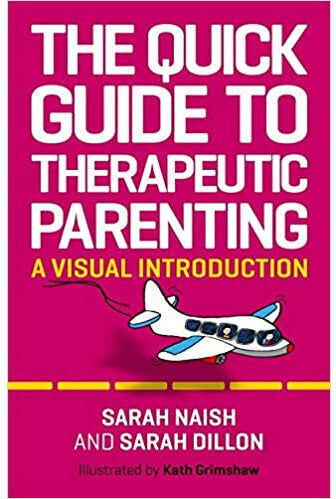
Jessica Kingsley Publishers The Quick Guide to Therapeutic Parenting: A Visual Introduction (Therapeutic Parenting Books) by Sarah NaishTherapeutic parenting is not your usual parenting style. It's a special, specific way to raise kids who have experienced trauma in their past, and requires a lot of commitment and determination - this is about far more than love and care.But where do you start?This book is the ideal first step for anyone who wants to understand how therapeutic parenting works. It offers simple summaries of the key ideas behind it, fully illustrated throughout with informative cartoons and graphics. Over 40 different issues are covered, from dysregulation and fear, to setting boundaries and parenting in the midst of trauma.The perfect introduction for new therapeutic parents, family members, teachers or other adults who need to help support you and your child, this Quick Guide will also be a source of inspiration for more experienced parents.13,20 £*Shipping: 2,99 £Secure redirect to the provider
-
Scribe UK Parenting from the Inside Out: how a deeper self-understanding can help you raise children who thrive (Mindful Parenting)An updated edition of the parenting classic Have you ever thought: ‘I can’t believe I just said to my child the very thing my parents used to say to me! Am I destined to repeat the mistakes of my parents?’ In Parenting from the Inside Out, child psychiatrist Daniel J. Siegel and early-childhood expert Mary Hartzell explore how our childhood experiences shape the way we parent. Drawing on stunning new findings in neurobiology and attachment research, they explain how interpersonal relationships affect the development of the brain, and offer a step-by-step approach to forming a deeper understanding of our life stories, which will help us raise compassionate and resilient children. Combining Siegel’s cutting-edge neuroscience research with Hartzell’s 30 years of experience as a child-development specialist and parent educator, Parenting from the Inside Out guides us through creating the necessary foundations for secure and loving relationships with our children. This tenth-anniversary edition includes a new preface by the authors and incorporates the latest research from the field.7,99 £*Shipping: 2,99 £Secure redirect to the provider
-
StayWell Wonder Arms Workout Fitness Machine Perfect Fitness Gift For Home & Travel Enthusiasts Wonder Arms Workout Fitness Machine Perfect Fitness Gift For Home & Travel EnthusiastsElevate Your Fitness Routine with the Wonder Arms Workout Fitness MachineAchieve your fitness goals effortlessly with the Wonder Arms Workout Fitness Machine, the ultimate solution for sculpting your arms, shoulders, and back. Designed for...59,97 $*Shipping: 0,00 $Secure redirect to the provider
-
Wildfire Man vs. Toddler By Matt Coyne (Parenting Book, Memoir Book)Man vs. Toddler By Matt Coyne (Parenting Book, Memoir Book) More inept, more clueless and more exhausted than ever, the man behind the blogging phenomenon Man vs Baby is back with the latest instalment in his (and his son Charlie's) journey through the chaos and comedy of parenting. In the follow-up to the critically acclaimed Sunday Times bestseller Dummy (April 2017) comes Man vs Toddler - the story of what happens when your little one is transformed from an innocent bundle of joy into a creature that walks, talks... and craps in a plastic bucket in the middle of your living room. Man vs Toddler exposes the lie that, that when it comes to parenting 'it gets easier'. But it is just as foul-mouthed and heart-warming as Matt's first book, and will have you laughing and crying with recognition as he shares his observations and advice on everything from tantrums to the horrors of soft-play.1,99 £*Shipping: 1,99 £Secure redirect to the provider



-
How do you form the past perfect (Pluperfect)?
To form the past perfect (pluperfect) tense, you need to use the auxiliary verb "had" followed by the past participle of the main verb. For example, "She had finished her homework before dinner." This tense is used to indicate an action that was completed before another action in the past. **
-
What is the story in the pluperfect tense?
The pluperfect tense is used to describe an action that had already been completed before another past action took place. In other words, it is used to talk about an action that had happened before something else in the past. For example, "She had already finished her homework when her friend called." In this sentence, the action of finishing the homework (in the pluperfect tense) had already been completed before the action of her friend calling (in the past tense) took place. **
-
Which verbs are reflected in the pluperfect tense?
The pluperfect tense reflects past actions that were completed before another past action. It is formed by using the auxiliary verb "had" followed by the past participle of the main verb. For example, in the sentence "She had already finished her homework when her friend called," the verbs "had finished" and "called" are reflected in the pluperfect tense. **
-
Who was the inventor of the pluperfect tense?
The pluperfect tense was not invented by a single individual, but rather developed over time in the evolution of the Latin language. It is a compound tense formed by combining the perfect tense of the verb with the imperfect tense of the auxiliary verb "to have." The use of the pluperfect tense can be traced back to the classical Latin period and has since been adopted into many other languages, including English. **

Are there any exceptions to the pluperfect tense?
Yes, there are exceptions to the pluperfect tense. One exception is that in some languages, the pluperfect tense may not exist or may be formed differently. Additionally, in certain contexts or dialects, the pluperfect tense may not be used as frequently or may be replaced by other tenses to convey the same meaning. It's important to consider the specific language and its variations when discussing exceptions to the pluperfect tense. **
How do you form the pluperfect (past perfect) tense?
To form the pluperfect (past perfect) tense in English, you typically use the auxiliary verb "had" followed by the past participle of the main verb. For example, "I had finished my homework before dinner." This tense is used to indicate an action that was completed before another action in the past. **
Top-Angebote
Products related to Pluperfect:
-
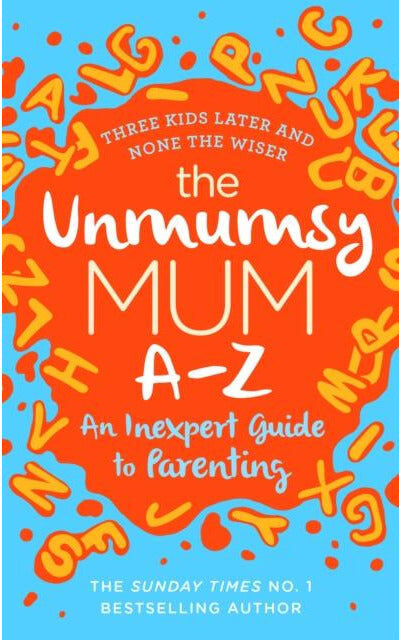
Transworld Publishers Ltd Books about parenting, The Unmumsy Mum A-Z - An Inexpert Guide to Parenting by Sarah Turner (Parenting Guide Book)From bestselling author and massively popular blogger The Unmumsy Mum comes this hilarious, irreverent and searingly candid compendium of parenting experiences. With entries including D is for Desperation, F is for Fish Fingers, S is for Supermum and V is for Vagina, it is safe to say this is not your average A-Z. This book wont tell you what sort of parent you should or should not be; instead, it offers a refreshingly honest account of what being a mum to three young children is really like and the surprising lessons that have been learned along the way. If you feel as though you are not measuring up or are struggling to cherish every moment, Sarah tales from the thick of it will reassure and resonate with you. Above all, her commitment to telling the truth, the whole truth and nothing but the truth will make you laugh out loud and remind you that you are, in fact, doing a great job. What readers are saying: For all parents out there, this is a must read. Absolutely hilarious and so true to life. 100 recommend. Makes me smile and actually keeps me sane as it is so easy to relate to. It made me laugh Sleeping through, it made me cry Xmas and it made me feel better about the times I think I am getting it wrong.1,99 £*Shipping: 1,99 £Secure redirect to the provider
-
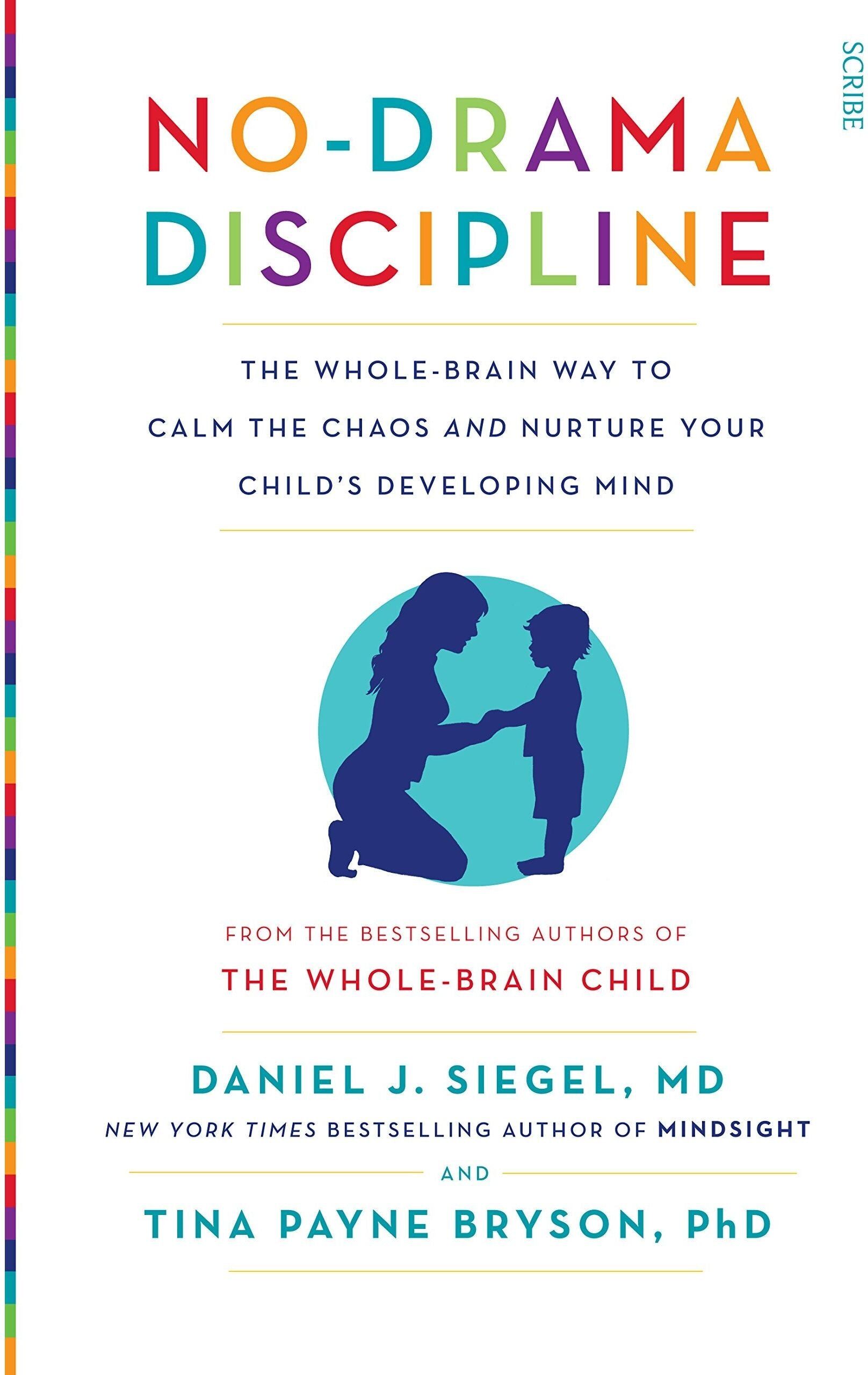
Scribe UK No-Drama Discipline: the bestselling parenting guide to nurturing your child's developing mind (Mindful Parenting)The pioneering experts behind the bestselling The Whole-Brain Child now explore the ultimate child-raising challenge: discipline. A breakfast bowl gets thrown across the kitchen, splattering milk and cereal all over the wall. Or one of your kids threatens a younger sibling. Or you get a call from the headteacher’s office for the third time this month. What do you do? No-Drama Discipline provides an effective, compassionate road map for dealing with such tantrums, tensions, and tears – without causing a scene. Based on recent discoveries about the brain that give us deep insights into the children we care for, what they need, and how to discipline them in ways that foster optimal development, this book offers a ‘relational’ approach that builds on children’s innate desire to please their parents and get along well with others. Complete with candid stories and playful illustrations that bring the authors’ suggestions to life, No-Drama Discipline presents clear messages in a practical and inviting format. Using these techniques, you can discipline your children in a way that’s high on relationship-building, high on respect, and low on drama and conflict. As a result, your life as a parent will be easier, and your parenting will become more effective. And more importantly, you’ll create connections in your children’s brains to build emotional and social skills that will serve them now and throughout their entire life – all while strengthening your relationship with them.5,99 £*Shipping: 2,99 £Secure redirect to the provider
-
Jessica Kingsley Publishers The Quick Guide to Therapeutic Parenting: A Visual Introduction (Therapeutic Parenting Books) by Sarah NaishTherapeutic parenting is not your usual parenting style. It's a special, specific way to raise kids who have experienced trauma in their past, and requires a lot of commitment and determination - this is about far more than love and care.But where do you start?This book is the ideal first step for anyone who wants to understand how therapeutic parenting works. It offers simple summaries of the key ideas behind it, fully illustrated throughout with informative cartoons and graphics. Over 40 different issues are covered, from dysregulation and fear, to setting boundaries and parenting in the midst of trauma.The perfect introduction for new therapeutic parents, family members, teachers or other adults who need to help support you and your child, this Quick Guide will also be a source of inspiration for more experienced parents.13,20 £*Shipping: 2,99 £Secure redirect to the provider
-
Scribe UK Parenting from the Inside Out: how a deeper self-understanding can help you raise children who thrive (Mindful Parenting)An updated edition of the parenting classic Have you ever thought: ‘I can’t believe I just said to my child the very thing my parents used to say to me! Am I destined to repeat the mistakes of my parents?’ In Parenting from the Inside Out, child psychiatrist Daniel J. Siegel and early-childhood expert Mary Hartzell explore how our childhood experiences shape the way we parent. Drawing on stunning new findings in neurobiology and attachment research, they explain how interpersonal relationships affect the development of the brain, and offer a step-by-step approach to forming a deeper understanding of our life stories, which will help us raise compassionate and resilient children. Combining Siegel’s cutting-edge neuroscience research with Hartzell’s 30 years of experience as a child-development specialist and parent educator, Parenting from the Inside Out guides us through creating the necessary foundations for secure and loving relationships with our children. This tenth-anniversary edition includes a new preface by the authors and incorporates the latest research from the field.7,99 £*Shipping: 2,99 £Secure redirect to the provider
-
What is the pluperfect tense?
The pluperfect tense is a verb form used to indicate an action that had been completed before another past action or point in time. It is formed by using the auxiliary verb "had" followed by the past participle of the main verb. For example, in the sentence "She had already finished her homework when her friends arrived," the pluperfect tense is used to show that the action of finishing the homework occurred before the arrival of her friends. **
-
What is the double pluperfect of 'haben'?
The double pluperfect of 'haben' is 'hatte gehabt'. This tense is used to express an action that had been completed before another past action. It is formed by using the auxiliary verb 'haben' in the pluperfect tense ('hatte') followed by the past participle of the main verb ('gehabt'). **
-
How do you form the past perfect (Pluperfect)?
To form the past perfect (pluperfect) tense, you need to use the auxiliary verb "had" followed by the past participle of the main verb. For example, "She had finished her homework before dinner." This tense is used to indicate an action that was completed before another action in the past. **
-
What is the story in the pluperfect tense?
The pluperfect tense is used to describe an action that had already been completed before another past action took place. In other words, it is used to talk about an action that had happened before something else in the past. For example, "She had already finished her homework when her friend called." In this sentence, the action of finishing the homework (in the pluperfect tense) had already been completed before the action of her friend calling (in the past tense) took place. **
Similar search terms for Pluperfect
-
StayWell Wonder Arms Workout Fitness Machine Perfect Fitness Gift For Home & Travel Enthusiasts Wonder Arms Workout Fitness Machine Perfect Fitness Gift For Home & Travel EnthusiastsElevate Your Fitness Routine with the Wonder Arms Workout Fitness MachineAchieve your fitness goals effortlessly with the Wonder Arms Workout Fitness Machine, the ultimate solution for sculpting your arms, shoulders, and back. Designed for...59,97 $*Shipping: 0,00 $Secure redirect to the provider
-
Wildfire Man vs. Toddler By Matt Coyne (Parenting Book, Memoir Book)Man vs. Toddler By Matt Coyne (Parenting Book, Memoir Book) More inept, more clueless and more exhausted than ever, the man behind the blogging phenomenon Man vs Baby is back with the latest instalment in his (and his son Charlie's) journey through the chaos and comedy of parenting. In the follow-up to the critically acclaimed Sunday Times bestseller Dummy (April 2017) comes Man vs Toddler - the story of what happens when your little one is transformed from an innocent bundle of joy into a creature that walks, talks... and craps in a plastic bucket in the middle of your living room. Man vs Toddler exposes the lie that, that when it comes to parenting 'it gets easier'. But it is just as foul-mouthed and heart-warming as Matt's first book, and will have you laughing and crying with recognition as he shares his observations and advice on everything from tantrums to the horrors of soft-play.1,99 £*Shipping: 1,99 £Secure redirect to the provider
-
BOB 2019 / 2020 Travel System Strides Fitness Travel System - Blue / BlackThe Stroller Strides Fitness Stroller by BOB is the ideal on- and off-road jogging stroller, keeping families active for years to come. Its equipped with a coupon for Stroller Strides fitness classes by Fit4Mom and a Stroller Strides Fitness Kit by...729,97 $*Shipping: 0,00 $Secure redirect to the provider
-
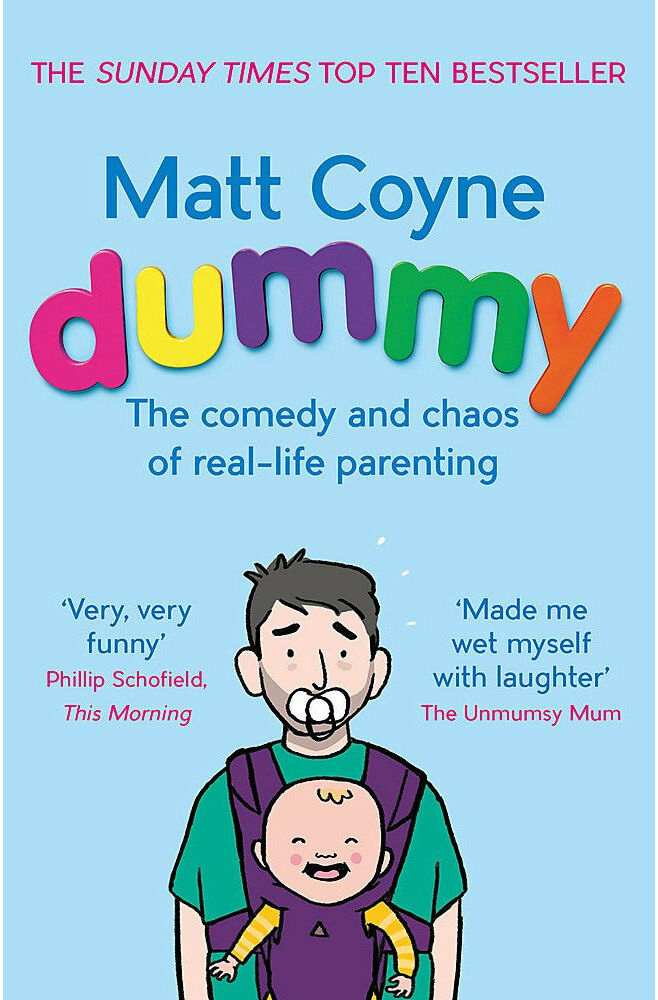
Headline Dummy by Matt Coyne – The Comedy & Chaos of Real-Life ParentingDummy: The Comedy and Chaos of Real-Life Parenting by Matt Coyne Matt Coyne has become a hero for thousands of parents everywhere who are devoted followers of his popular blog, Man vs Baby. This is his book, and it is not your average parenting tome. It's packed with completely impractical advice for the bewildered new mum or dad - stuff you won't find anywhere else: from 'Profanity Bingo' for labour to a categorisation of various nappy disasters. But, more than that, it is the story of how becoming a parent is a kind of beautiful insanity - a thing that changes you. Above all, Dummy will keep you laughing through the exhaustion, the mystery and the madness of bringing up your own children. This is the parenting book for real people.1,99 £*Shipping: 1,99 £Secure redirect to the provider
-
Which verbs are reflected in the pluperfect tense?
The pluperfect tense reflects past actions that were completed before another past action. It is formed by using the auxiliary verb "had" followed by the past participle of the main verb. For example, in the sentence "She had already finished her homework when her friend called," the verbs "had finished" and "called" are reflected in the pluperfect tense. **
-
Who was the inventor of the pluperfect tense?
The pluperfect tense was not invented by a single individual, but rather developed over time in the evolution of the Latin language. It is a compound tense formed by combining the perfect tense of the verb with the imperfect tense of the auxiliary verb "to have." The use of the pluperfect tense can be traced back to the classical Latin period and has since been adopted into many other languages, including English. **
-
Are there any exceptions to the pluperfect tense?
Yes, there are exceptions to the pluperfect tense. One exception is that in some languages, the pluperfect tense may not exist or may be formed differently. Additionally, in certain contexts or dialects, the pluperfect tense may not be used as frequently or may be replaced by other tenses to convey the same meaning. It's important to consider the specific language and its variations when discussing exceptions to the pluperfect tense. **
-
How do you form the pluperfect (past perfect) tense?
To form the pluperfect (past perfect) tense in English, you typically use the auxiliary verb "had" followed by the past participle of the main verb. For example, "I had finished my homework before dinner." This tense is used to indicate an action that was completed before another action in the past. **
* All prices are inclusive of VAT and, if applicable, plus shipping costs. The offer information is based on the details provided by the respective shop and is updated through automated processes. Real-time updates do not occur, so deviations can occur in individual cases. ** Note: Parts of this content were created by AI.