Buy blogsmap.eu ?
We are moving the project
blogsmap.eu .
Are you interested in purchasing the domain
blogsmap.eu ?
domain@kv-gmbh.de · 0541-91531010
Buy blogsmap.eu ?
How can one detoxify microplastics?
One way to detoxify microplastics is through the use of activated charcoal. Activated charcoal has a porous structure that can trap and bind to toxins, including microplastics, and help remove them from the body. Another method is to consume foods and supplements that support the body's natural detoxification processes, such as antioxidants and fiber-rich foods. Additionally, reducing exposure to sources of microplastics, such as single-use plastics and contaminated water, can help prevent further accumulation in the body. **
How can microplastics be made visible?
Microplastics can be made visible through various methods such as using specialized equipment like microscopes or infrared spectroscopy to detect and analyze them. Additionally, researchers can use fluorescent dyes that bind specifically to microplastics, making them easier to see under certain lighting conditions. Another method is filtering water samples and examining the residue left behind, as microplastics will be captured on the filter. Overall, a combination of techniques is often used to effectively visualize and quantify microplastics in different environments. **


Similar search terms for Microplastics
Top-Angebote
Products related to Microplastics:
-
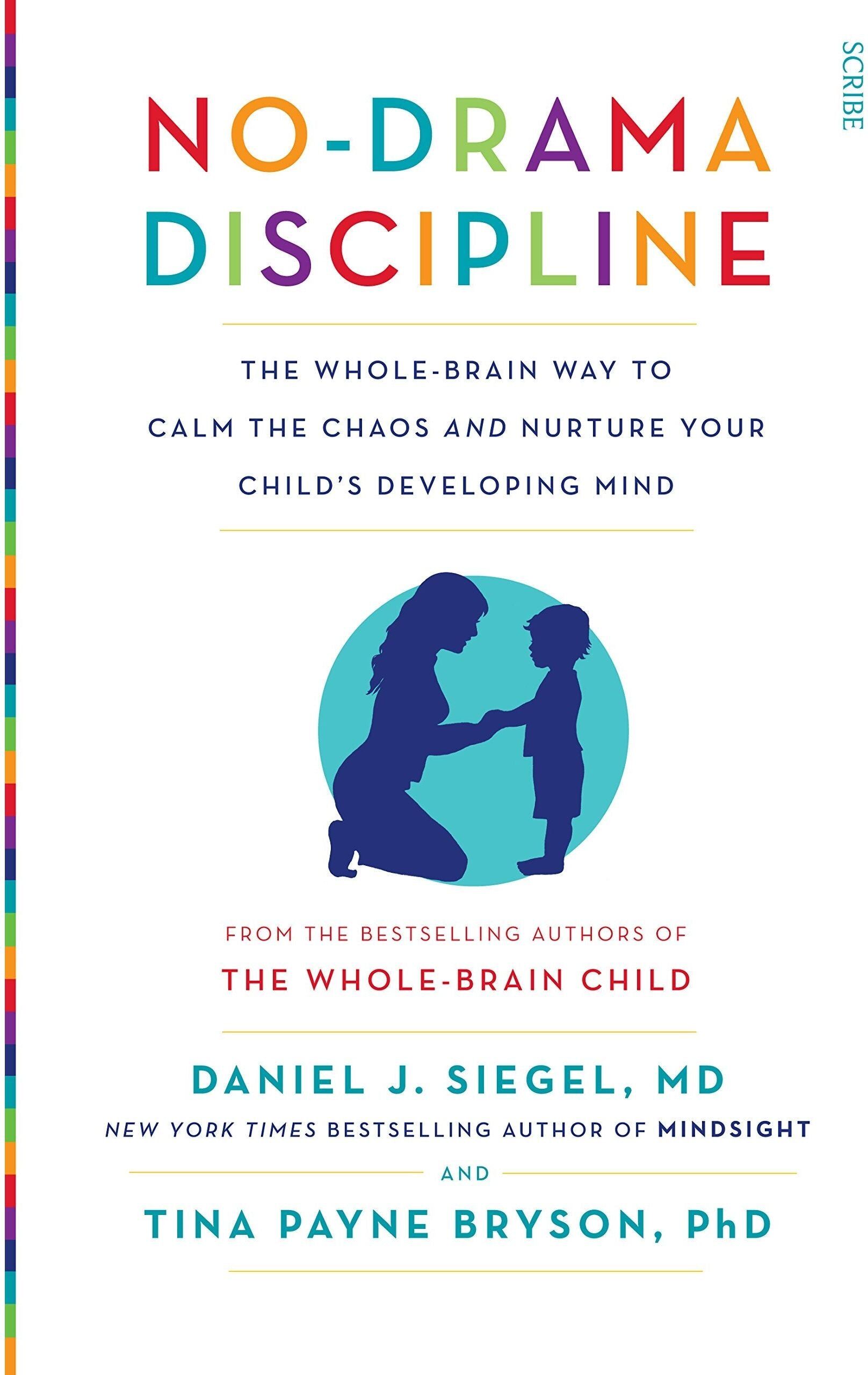
Scribe UK No-Drama Discipline: the bestselling parenting guide to nurturing your child's developing mind (Mindful Parenting)The pioneering experts behind the bestselling The Whole-Brain Child now explore the ultimate child-raising challenge: discipline. A breakfast bowl gets thrown across the kitchen, splattering milk and cereal all over the wall. Or one of your kids threatens a younger sibling. Or you get a call from the headteacher’s office for the third time this month. What do you do? No-Drama Discipline provides an effective, compassionate road map for dealing with such tantrums, tensions, and tears – without causing a scene. Based on recent discoveries about the brain that give us deep insights into the children we care for, what they need, and how to discipline them in ways that foster optimal development, this book offers a ‘relational’ approach that builds on children’s innate desire to please their parents and get along well with others. Complete with candid stories and playful illustrations that bring the authors’ suggestions to life, No-Drama Discipline presents clear messages in a practical and inviting format. Using these techniques, you can discipline your children in a way that’s high on relationship-building, high on respect, and low on drama and conflict. As a result, your life as a parent will be easier, and your parenting will become more effective. And more importantly, you’ll create connections in your children’s brains to build emotional and social skills that will serve them now and throughout their entire life – all while strengthening your relationship with them.5,99 £*Shipping: 2,99 £Secure redirect to the provider
-
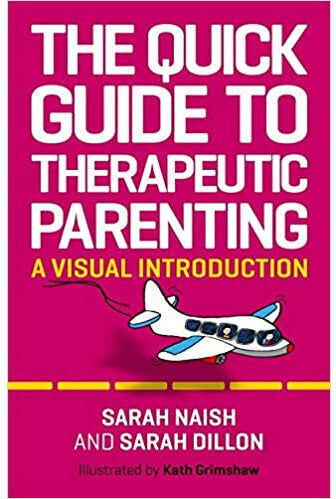
Jessica Kingsley Publishers The Quick Guide to Therapeutic Parenting: A Visual Introduction (Therapeutic Parenting Books) by Sarah NaishTherapeutic parenting is not your usual parenting style. It's a special, specific way to raise kids who have experienced trauma in their past, and requires a lot of commitment and determination - this is about far more than love and care.But where do you start?This book is the ideal first step for anyone who wants to understand how therapeutic parenting works. It offers simple summaries of the key ideas behind it, fully illustrated throughout with informative cartoons and graphics. Over 40 different issues are covered, from dysregulation and fear, to setting boundaries and parenting in the midst of trauma.The perfect introduction for new therapeutic parents, family members, teachers or other adults who need to help support you and your child, this Quick Guide will also be a source of inspiration for more experienced parents.13,20 £*Shipping: 2,99 £Secure redirect to the provider
-
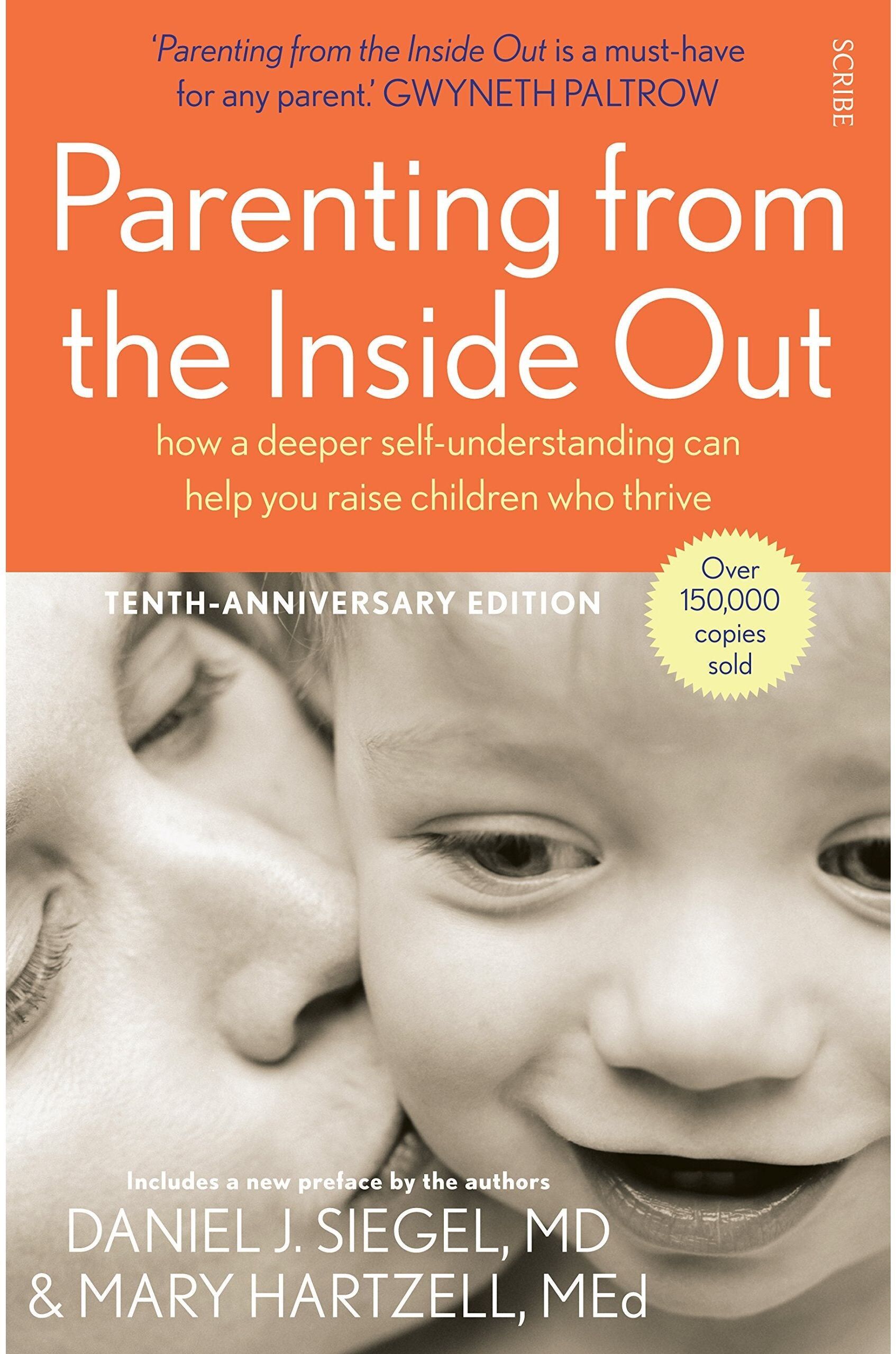
Scribe UK Parenting from the Inside Out: how a deeper self-understanding can help you raise children who thrive (Mindful Parenting)An updated edition of the parenting classic Have you ever thought: ‘I can’t believe I just said to my child the very thing my parents used to say to me! Am I destined to repeat the mistakes of my parents?’ In Parenting from the Inside Out, child psychiatrist Daniel J. Siegel and early-childhood expert Mary Hartzell explore how our childhood experiences shape the way we parent. Drawing on stunning new findings in neurobiology and attachment research, they explain how interpersonal relationships affect the development of the brain, and offer a step-by-step approach to forming a deeper understanding of our life stories, which will help us raise compassionate and resilient children. Combining Siegel’s cutting-edge neuroscience research with Hartzell’s 30 years of experience as a child-development specialist and parent educator, Parenting from the Inside Out guides us through creating the necessary foundations for secure and loving relationships with our children. This tenth-anniversary edition includes a new preface by the authors and incorporates the latest research from the field.7,99 £*Shipping: 2,99 £Secure redirect to the provider
-
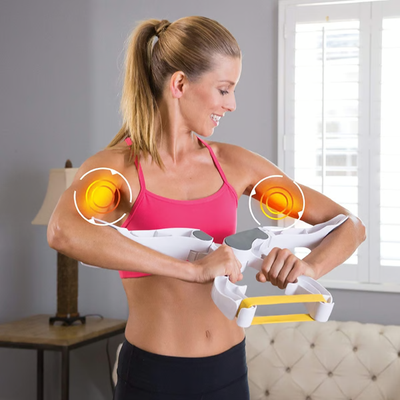
StayWell Wonder Arms Workout Fitness Machine Perfect Fitness Gift For Home & Travel Enthusiasts Wonder Arms Workout Fitness Machine Perfect Fitness Gift For Home & Travel EnthusiastsElevate Your Fitness Routine with the Wonder Arms Workout Fitness MachineAchieve your fitness goals effortlessly with the Wonder Arms Workout Fitness Machine, the ultimate solution for sculpting your arms, shoulders, and back. Designed for...59,97 $*Shipping: 0,00 $Secure redirect to the provider
-
How can one make microplastics visible?
Microplastics can be made visible through the use of specialized equipment such as microscopes or infrared cameras. By magnifying the sample, microplastics that are too small to be seen with the naked eye can be identified and counted. Additionally, specific dyes or fluorescent markers can be used to stain the microplastics, making them easier to detect under certain lighting conditions. Sampling techniques such as filtration or sedimentation can also help concentrate microplastics from a larger sample, making them more visible for analysis. **
-
What is in wastewater: microplastics and silicones?
Wastewater can contain microplastics, which are tiny pieces of plastic less than 5mm in size that come from various sources such as personal care products, clothing, and packaging. Silicones are another common component found in wastewater, which are synthetic compounds used in a variety of products like shampoos, conditioners, and cosmetics. Both microplastics and silicones can pose environmental risks as they can accumulate in water bodies, harm aquatic life, and potentially enter the food chain. **
-
What is in the wastewater: microplastics and silicones?
Wastewater can contain microplastics, which are tiny plastic particles that come from a variety of sources such as clothing fibers, packaging materials, and personal care products. These microplastics can enter the wastewater system through activities like washing clothes or using personal care products. Additionally, silicones, which are synthetic polymers often used in personal care products and industrial processes, can also be found in wastewater. Both microplastics and silicones can pose environmental and health risks, making it important to address their presence in wastewater treatment processes. **
-
Do we all have microplastics in our bodies?
Yes, studies have found that microplastics have been detected in human bodies through various means such as in the gut, lungs, and even in placental tissue. These microplastics can enter our bodies through ingestion of contaminated food and water, as well as through inhalation of airborne particles. While the health impacts of microplastics in our bodies are still being studied, it is clear that they are pervasive in the environment and can accumulate in our bodies over time. **


What can be done about microplastics in the oceans?
To address the issue of microplastics in the oceans, several measures can be taken. Firstly, reducing the use of single-use plastics and promoting the use of biodegradable alternatives can help prevent the entry of more plastic into the oceans. Additionally, implementing proper waste management and recycling systems can help reduce the amount of plastic waste that ends up in the oceans. Furthermore, conducting clean-up operations and developing technologies to remove existing microplastics from the oceans can also be effective in mitigating the problem. Finally, raising awareness and educating the public about the impact of microplastics on marine ecosystems can help drive individual and collective action to address the issue. **
What is the difference between primary and secondary microplastics?
Primary microplastics are small plastic particles that are intentionally produced for use in products such as exfoliating scrubs, industrial abrasives, and air blasting. Secondary microplastics are the result of the breakdown of larger plastic items, such as water bottles, packaging materials, and fishing nets, due to weathering, sunlight, and mechanical action. Both types of microplastics can have negative impacts on the environment and wildlife, but primary microplastics are directly introduced into the environment, while secondary microplastics result from the degradation of larger plastic items. **
Top-Angebote
Products related to Microplastics:
-
Transworld Publishers Ltd Books about parenting, The Unmumsy Mum A-Z - An Inexpert Guide to Parenting by Sarah Turner (Parenting Guide Book)From bestselling author and massively popular blogger The Unmumsy Mum comes this hilarious, irreverent and searingly candid compendium of parenting experiences. With entries including D is for Desperation, F is for Fish Fingers, S is for Supermum and V is for Vagina, it is safe to say this is not your average A-Z. This book wont tell you what sort of parent you should or should not be; instead, it offers a refreshingly honest account of what being a mum to three young children is really like and the surprising lessons that have been learned along the way. If you feel as though you are not measuring up or are struggling to cherish every moment, Sarah tales from the thick of it will reassure and resonate with you. Above all, her commitment to telling the truth, the whole truth and nothing but the truth will make you laugh out loud and remind you that you are, in fact, doing a great job. What readers are saying: For all parents out there, this is a must read. Absolutely hilarious and so true to life. 100 recommend. Makes me smile and actually keeps me sane as it is so easy to relate to. It made me laugh Sleeping through, it made me cry Xmas and it made me feel better about the times I think I am getting it wrong.1,99 £*Shipping: 1,99 £Secure redirect to the provider
-
Scribe UK No-Drama Discipline: the bestselling parenting guide to nurturing your child's developing mind (Mindful Parenting)The pioneering experts behind the bestselling The Whole-Brain Child now explore the ultimate child-raising challenge: discipline. A breakfast bowl gets thrown across the kitchen, splattering milk and cereal all over the wall. Or one of your kids threatens a younger sibling. Or you get a call from the headteacher’s office for the third time this month. What do you do? No-Drama Discipline provides an effective, compassionate road map for dealing with such tantrums, tensions, and tears – without causing a scene. Based on recent discoveries about the brain that give us deep insights into the children we care for, what they need, and how to discipline them in ways that foster optimal development, this book offers a ‘relational’ approach that builds on children’s innate desire to please their parents and get along well with others. Complete with candid stories and playful illustrations that bring the authors’ suggestions to life, No-Drama Discipline presents clear messages in a practical and inviting format. Using these techniques, you can discipline your children in a way that’s high on relationship-building, high on respect, and low on drama and conflict. As a result, your life as a parent will be easier, and your parenting will become more effective. And more importantly, you’ll create connections in your children’s brains to build emotional and social skills that will serve them now and throughout their entire life – all while strengthening your relationship with them.5,99 £*Shipping: 2,99 £Secure redirect to the provider
-
Jessica Kingsley Publishers The Quick Guide to Therapeutic Parenting: A Visual Introduction (Therapeutic Parenting Books) by Sarah NaishTherapeutic parenting is not your usual parenting style. It's a special, specific way to raise kids who have experienced trauma in their past, and requires a lot of commitment and determination - this is about far more than love and care.But where do you start?This book is the ideal first step for anyone who wants to understand how therapeutic parenting works. It offers simple summaries of the key ideas behind it, fully illustrated throughout with informative cartoons and graphics. Over 40 different issues are covered, from dysregulation and fear, to setting boundaries and parenting in the midst of trauma.The perfect introduction for new therapeutic parents, family members, teachers or other adults who need to help support you and your child, this Quick Guide will also be a source of inspiration for more experienced parents.13,20 £*Shipping: 2,99 £Secure redirect to the provider
-
How can one detoxify microplastics?
One way to detoxify microplastics is through the use of activated charcoal. Activated charcoal has a porous structure that can trap and bind to toxins, including microplastics, and help remove them from the body. Another method is to consume foods and supplements that support the body's natural detoxification processes, such as antioxidants and fiber-rich foods. Additionally, reducing exposure to sources of microplastics, such as single-use plastics and contaminated water, can help prevent further accumulation in the body. **
-
How can microplastics be made visible?
Microplastics can be made visible through various methods such as using specialized equipment like microscopes or infrared spectroscopy to detect and analyze them. Additionally, researchers can use fluorescent dyes that bind specifically to microplastics, making them easier to see under certain lighting conditions. Another method is filtering water samples and examining the residue left behind, as microplastics will be captured on the filter. Overall, a combination of techniques is often used to effectively visualize and quantify microplastics in different environments. **
-
How can one make microplastics visible?
Microplastics can be made visible through the use of specialized equipment such as microscopes or infrared cameras. By magnifying the sample, microplastics that are too small to be seen with the naked eye can be identified and counted. Additionally, specific dyes or fluorescent markers can be used to stain the microplastics, making them easier to detect under certain lighting conditions. Sampling techniques such as filtration or sedimentation can also help concentrate microplastics from a larger sample, making them more visible for analysis. **
-
What is in wastewater: microplastics and silicones?
Wastewater can contain microplastics, which are tiny pieces of plastic less than 5mm in size that come from various sources such as personal care products, clothing, and packaging. Silicones are another common component found in wastewater, which are synthetic compounds used in a variety of products like shampoos, conditioners, and cosmetics. Both microplastics and silicones can pose environmental risks as they can accumulate in water bodies, harm aquatic life, and potentially enter the food chain. **
Similar search terms for Microplastics
-
Scribe UK Parenting from the Inside Out: how a deeper self-understanding can help you raise children who thrive (Mindful Parenting)An updated edition of the parenting classic Have you ever thought: ‘I can’t believe I just said to my child the very thing my parents used to say to me! Am I destined to repeat the mistakes of my parents?’ In Parenting from the Inside Out, child psychiatrist Daniel J. Siegel and early-childhood expert Mary Hartzell explore how our childhood experiences shape the way we parent. Drawing on stunning new findings in neurobiology and attachment research, they explain how interpersonal relationships affect the development of the brain, and offer a step-by-step approach to forming a deeper understanding of our life stories, which will help us raise compassionate and resilient children. Combining Siegel’s cutting-edge neuroscience research with Hartzell’s 30 years of experience as a child-development specialist and parent educator, Parenting from the Inside Out guides us through creating the necessary foundations for secure and loving relationships with our children. This tenth-anniversary edition includes a new preface by the authors and incorporates the latest research from the field.7,99 £*Shipping: 2,99 £Secure redirect to the provider
-
StayWell Wonder Arms Workout Fitness Machine Perfect Fitness Gift For Home & Travel Enthusiasts Wonder Arms Workout Fitness Machine Perfect Fitness Gift For Home & Travel EnthusiastsElevate Your Fitness Routine with the Wonder Arms Workout Fitness MachineAchieve your fitness goals effortlessly with the Wonder Arms Workout Fitness Machine, the ultimate solution for sculpting your arms, shoulders, and back. Designed for...59,97 $*Shipping: 0,00 $Secure redirect to the provider
-
Wildfire Man vs. Toddler By Matt Coyne (Parenting Book, Memoir Book)Man vs. Toddler By Matt Coyne (Parenting Book, Memoir Book) More inept, more clueless and more exhausted than ever, the man behind the blogging phenomenon Man vs Baby is back with the latest instalment in his (and his son Charlie's) journey through the chaos and comedy of parenting. In the follow-up to the critically acclaimed Sunday Times bestseller Dummy (April 2017) comes Man vs Toddler - the story of what happens when your little one is transformed from an innocent bundle of joy into a creature that walks, talks... and craps in a plastic bucket in the middle of your living room. Man vs Toddler exposes the lie that, that when it comes to parenting 'it gets easier'. But it is just as foul-mouthed and heart-warming as Matt's first book, and will have you laughing and crying with recognition as he shares his observations and advice on everything from tantrums to the horrors of soft-play.1,99 £*Shipping: 1,99 £Secure redirect to the provider
-
Headline Dummy by Matt Coyne – The Comedy & Chaos of Real-Life ParentingDummy: The Comedy and Chaos of Real-Life Parenting by Matt Coyne Matt Coyne has become a hero for thousands of parents everywhere who are devoted followers of his popular blog, Man vs Baby. This is his book, and it is not your average parenting tome. It's packed with completely impractical advice for the bewildered new mum or dad - stuff you won't find anywhere else: from 'Profanity Bingo' for labour to a categorisation of various nappy disasters. But, more than that, it is the story of how becoming a parent is a kind of beautiful insanity - a thing that changes you. Above all, Dummy will keep you laughing through the exhaustion, the mystery and the madness of bringing up your own children. This is the parenting book for real people.1,99 £*Shipping: 1,99 £Secure redirect to the provider
-
What is in the wastewater: microplastics and silicones?
Wastewater can contain microplastics, which are tiny plastic particles that come from a variety of sources such as clothing fibers, packaging materials, and personal care products. These microplastics can enter the wastewater system through activities like washing clothes or using personal care products. Additionally, silicones, which are synthetic polymers often used in personal care products and industrial processes, can also be found in wastewater. Both microplastics and silicones can pose environmental and health risks, making it important to address their presence in wastewater treatment processes. **
-
Do we all have microplastics in our bodies?
Yes, studies have found that microplastics have been detected in human bodies through various means such as in the gut, lungs, and even in placental tissue. These microplastics can enter our bodies through ingestion of contaminated food and water, as well as through inhalation of airborne particles. While the health impacts of microplastics in our bodies are still being studied, it is clear that they are pervasive in the environment and can accumulate in our bodies over time. **
-
What can be done about microplastics in the oceans?
To address the issue of microplastics in the oceans, several measures can be taken. Firstly, reducing the use of single-use plastics and promoting the use of biodegradable alternatives can help prevent the entry of more plastic into the oceans. Additionally, implementing proper waste management and recycling systems can help reduce the amount of plastic waste that ends up in the oceans. Furthermore, conducting clean-up operations and developing technologies to remove existing microplastics from the oceans can also be effective in mitigating the problem. Finally, raising awareness and educating the public about the impact of microplastics on marine ecosystems can help drive individual and collective action to address the issue. **
-
What is the difference between primary and secondary microplastics?
Primary microplastics are small plastic particles that are intentionally produced for use in products such as exfoliating scrubs, industrial abrasives, and air blasting. Secondary microplastics are the result of the breakdown of larger plastic items, such as water bottles, packaging materials, and fishing nets, due to weathering, sunlight, and mechanical action. Both types of microplastics can have negative impacts on the environment and wildlife, but primary microplastics are directly introduced into the environment, while secondary microplastics result from the degradation of larger plastic items. **
* All prices are inclusive of VAT and, if applicable, plus shipping costs. The offer information is based on the details provided by the respective shop and is updated through automated processes. Real-time updates do not occur, so deviations can occur in individual cases. ** Note: Parts of this content were created by AI.